Introduction
When it pertains to emergency situations, being prepared is not just an excellent concept; it's vital. Whether you're at home, in the office, or out in the wild, having the appropriate sources handy can make all the distinction between life and death. But just what should you focus on? Should you buy an emergency treatment set, register in a first aid course, or ideally do both? This post will delve into the detailed information of First Help Kits vs. First Aid Courses: What You Actually Required to Prepare, exploring the benefits and limitations of each option.
In an age where info is conveniently offered at our fingertips, recognizing how to react to emergency scenarios is crucial. Having a first help certificate or understanding CPR can equip individuals to act promptly when every second counts. On the other hand, a well-stocked first aid kit can supply instant support up until professional help arrives.
This item intends to explore the value of both first aid kits and training courses to ensure that you can make an enlightened decision about what best matches your needs.
First Aid Kits vs. First Aid Courses: What You Truly Required to Prepare
Understanding First Aid Kits
What Is a First Aid Kit?
A first aid kit is essentially a collection of clinical products developed for preliminary therapy of injuries and illnesses. It typically includes products such as bandages, antiseptics, gauze pads, scissors, and also mouth-to-mouth resuscitation masks. The components can differ based upon usage-- a home package might differ from one utilized for outdoor adventures.
Types of First Aid Kits
Home Emergency treatment Kit- Generally equipped with standard supplies for common family injuries.
- Customized based upon market risks (building websites may call for more customized gear).
- Designed for campers and walkers; consists of items like serpent bite kits and insect bite relief.
- Often small and customized for portability; may include medications for travel-related issues.
Benefits of Having a First Aid Kit
- Immediate access to supplies in emergencies. Can be customized based upon individual demands or member of the family' health requirements. A complacency knowing you're gotten ready for minor injuries in the house or away.
The Role of First Aid Courses
What Is a First Aid Course?
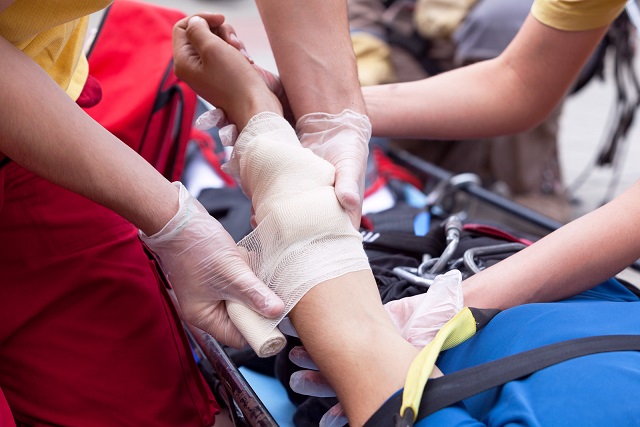
A first aid course provides training in basic medical strategies that can be used in emergency situations. These training courses frequently cover subjects like wound treatment, CPR (cardiopulmonary resuscitation), choking alleviation, and just how to use an automated external defibrillator (AED).
Different Types of Emergency treatment Courses
Basic First Aid Course- Focuses on fundamental abilities required for day-to-day emergencies.
- Concentrates especially on cardiopulmonary resuscitation techniques.
- More detailed training intended for healthcare professionals.
- Combines both first aid techniques and CPR training right into one course.
Benefits of Taking a First Aid Course
- Empowers individuals with understanding and confidence to act during emergencies. Improves neighborhood security by developing more qualified responders. Many training courses offer accreditations that are recognized by employers.
Comparing Effectiveness: Sets vs Courses
Immediate Action vs Expertise Empowerment
While having a well-stocked first aid kit enables you to respond instantly to injuries, knowing how to use those products successfully requires training from an emergency treatment course.
For example, if somebody struggles with serious blood loss, having gauze readily available is important-- yet recognizing how to use pressure correctly is vital for efficient treatment.
Do You Required Both?
The Suitable Situation: Incorporating Resources
Both sources offer various yet complementary purposes:
A first aid set provides prompt access to essential tools. An emergency treatment course gears up people with the abilities required to make use of those tools effectively.Common Misunderstandings about First Aid Kits and Courses
Myth 1: I Don't Need Educating If I Have a Kit
Many think that possessing a first aid set is adequate for emergency readiness; however, without correct training, one might defalcate therapy techniques or neglect important steps.
Myth 2: Just Health Care Professionals Required Certification
While healthcare specialists profit greatly from Enroll in CPR Brisbane these programs, any person-- parents, educators, instructors-- can dramatically boost their reaction capabilities by obtaining a first help certificate
FAQs Relating to Emergency treatment Kits and Courses
1. What should I consist of in my home emergency treatment kit?
Your home emergency treatment kit ought to consist of:

- Adhesive bandages Sterile gauze pads Antiseptic wipes Tweezers Scissors Pain relievers See to it it's tailored to your household's specific health needs!
2. The length of time does it take to finish a first aid course?
Typically, fundamental courses take around 4-8 hours depending on web content depth; however, thorough certifications might last longer thinking about useful exams.
3. Can I get accredited online?
Yes! Numerous organizations provide on the internet programs that finish in accreditation upon completion; however, guarantee they supply adequate practical components as well!
4. Is it necessary for work environments to have first aid kits?
Absolutely! Most policies stipulate that services should have ideal medical materials available for workers' safety and security throughout work hours!
5. How frequently need to I restock my first aid kit?
Regularly check your set every six months or after any kind of usage! Expired things ought to be replaced promptly!

6. Are there age restrictions for taking mouth-to-mouth resuscitation courses?
Most organizations permit people aged 10+ years old to participate in mouth-to-mouth resuscitation classes designed especially for more youthful audiences!
Conclusion
In browsing with the details of emergency preparedness via this short article entitled "Emergency treatment Kits vs. First Aid Courses: What You Really Required to Prepare," it appears that both aspects play pivotal duties in making sure safety and responsiveness during crises.
While having actually an appropriately geared up first help kit gives you quick access during emergencies, registering in first aid courses improves your capacity-- furnishing you with valuable life-saving skills that could possibly save lives when it matters most! For that reason-- and this can not be stressed sufficient-- striking a balance in between these 2 sources makes sure not just your preparedness but additionally improves area durability total!
So go on-- invest in both! Your comfort will thanks later!